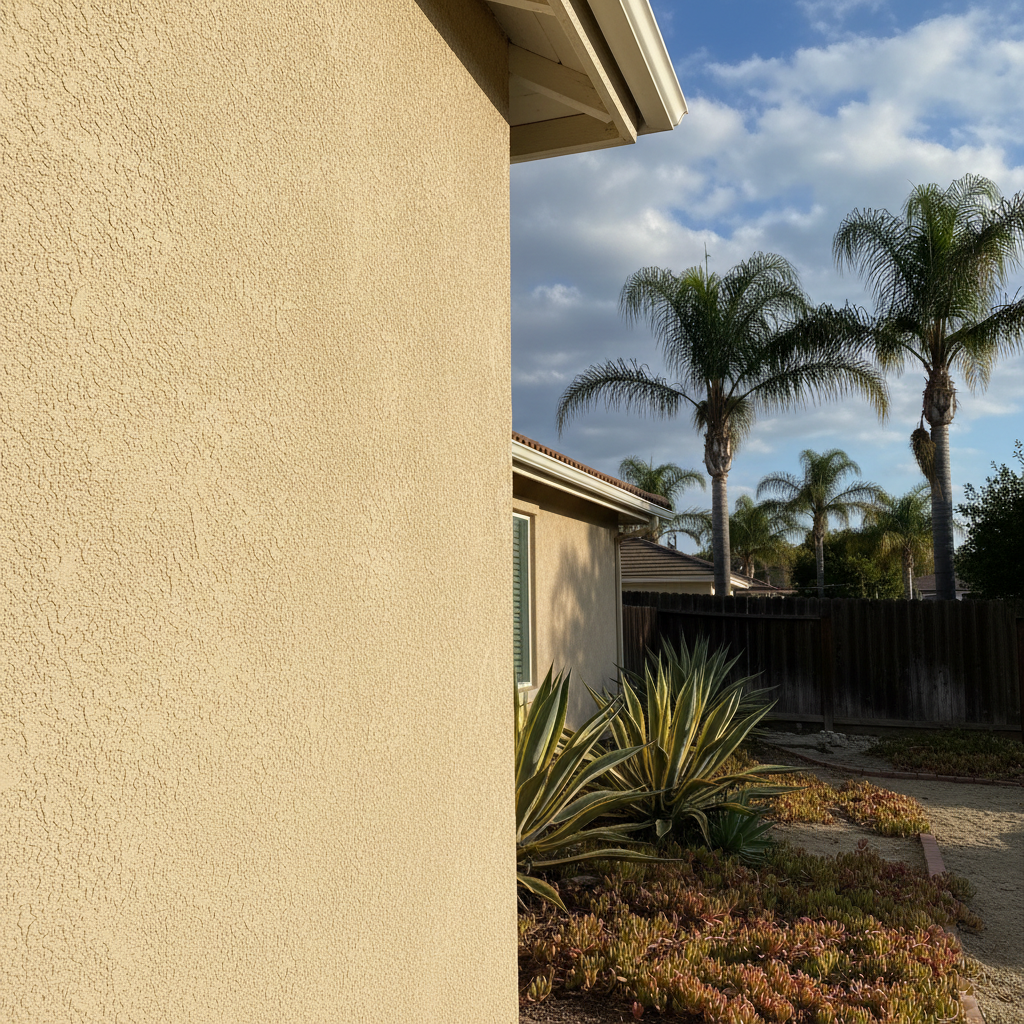
Stucco Maintenance: It's Easier Than You Think
Look, your stucco isn't a "set it and forget it" kind of deal. You wouldn't ignore your car's oil changes, right? Same goes for your home's exterior, especially here in Walnut, where we get that relentless summer sun and occasional heavy rains. Just a little attention goes a long way toward keeping your stucco looking good and protecting your home for decades. I've seen too many folks wait until a small crack becomes a huge headache, and trust me, you don't want to be one of them.
Extending Your Stucco's Lifespan
The biggest thing you can do to make your stucco last is keep water out. Sounds simple, I know, but it's the number one enemy. That means making sure your gutters are clean and working right. If water's constantly overflowing and running down your walls, it's going to find its way in eventually. Also, check your landscaping. Plants and bushes growing right up against the stucco can trap moisture and even create pathways for pests. Give your house some breathing room; trim back anything that's touching the walls. I usually tell folks to leave at least six inches of clear space.
Another big one is paint. A good quality elastomeric paint can add a protective layer and help seal up tiny hairline cracks before they become bigger issues. It's not just about curb appeal, either; it's about protection. When we do a job at Oasis Stucco Co, we always talk about the importance of a good finish coat for this exact reason.
Regular Maintenance You Can Do Yourself
You don't need to be a pro to do most of this stuff. It's really just about paying attention. Here's what I recommend:
- Clean it up: Every year or two, give your stucco a good washing. A soft brush and a garden hose with some mild detergent usually do the trick. Don't use a high-pressure washer too close; you can actually damage the finish and force water into places it shouldn't go. We're talking gentle cleaning, not sandblasting.
- Inspect those cracks: Walk around your house a couple times a year, especially after a big storm or a long dry spell. Look for cracks. Hairline cracks are pretty normal; they happen with temperature changes and settling. You can usually seal these yourself with an elastomeric caulk that matches your stucco color.
- Check your sealants: Look around windows, doors, and where different materials meet (like where stucco meets wood trim or a foundation). The caulk or sealant in these areas can dry out and crack over time, especially with our hot Walnut summers. If you see it failing, scrape out the old stuff and put in new, high-quality exterior sealant.
- Mind your sprinklers: Make sure your irrigation system isn't constantly spraying your stucco. That constant dampness is a perfect breeding ground for mold and can lead to water intrusion. Adjust those sprinkler heads!
Warning Signs of Bigger Problems
Some things go beyond simple maintenance. If you see any of these, it's time to get a professional opinion:
- Large or spiderweb cracks: If you've got cracks wider than a credit card or a whole network of them in one area, that's a red flag. It could mean structural movement or significant water damage behind the stucco.
- Discoloration or staining: Dark streaks, especially below windows or near the roofline, often mean water is getting in and running down inside the wall. Green or black patches could be mold or mildew, indicating persistent moisture.
- Bulging or soft spots: Push gently on your stucco in a few places. If it feels soft, spongy, or you see it bulging out, that's a serious problem. It likely means the lath or sheathing underneath is compromised by water damage.
- Efflorescence: This is that white, powdery substance you sometimes see on stucco. It's mineral salts left behind when water evaporates from inside the wall. It's a clear sign you've got water intrusion issues.
- Stucco falling off: This one's a no-brainer. If pieces are literally detaching or crumbling, you've got serious damage that needs immediate attention.
When to Call a Professional
Honestly, if you're not sure, just call. It's always better to catch something early than to let it fester. If you see any of those warning signs I just mentioned, or if you're uncomfortable tackling a repair yourself, that's when you bring in someone who knows what they're doing. A professional can properly diagnose the issue, find the source of any water intrusion, and make sure the repair is done right so it doesn't just come back. We've seen it all, from minor fixes to complete overhauls in homes all over Walnut, from the older homes near Suzanne Park to the newer developments up in the hills. Getting an expert opinion can save you a ton of money and stress down the road.