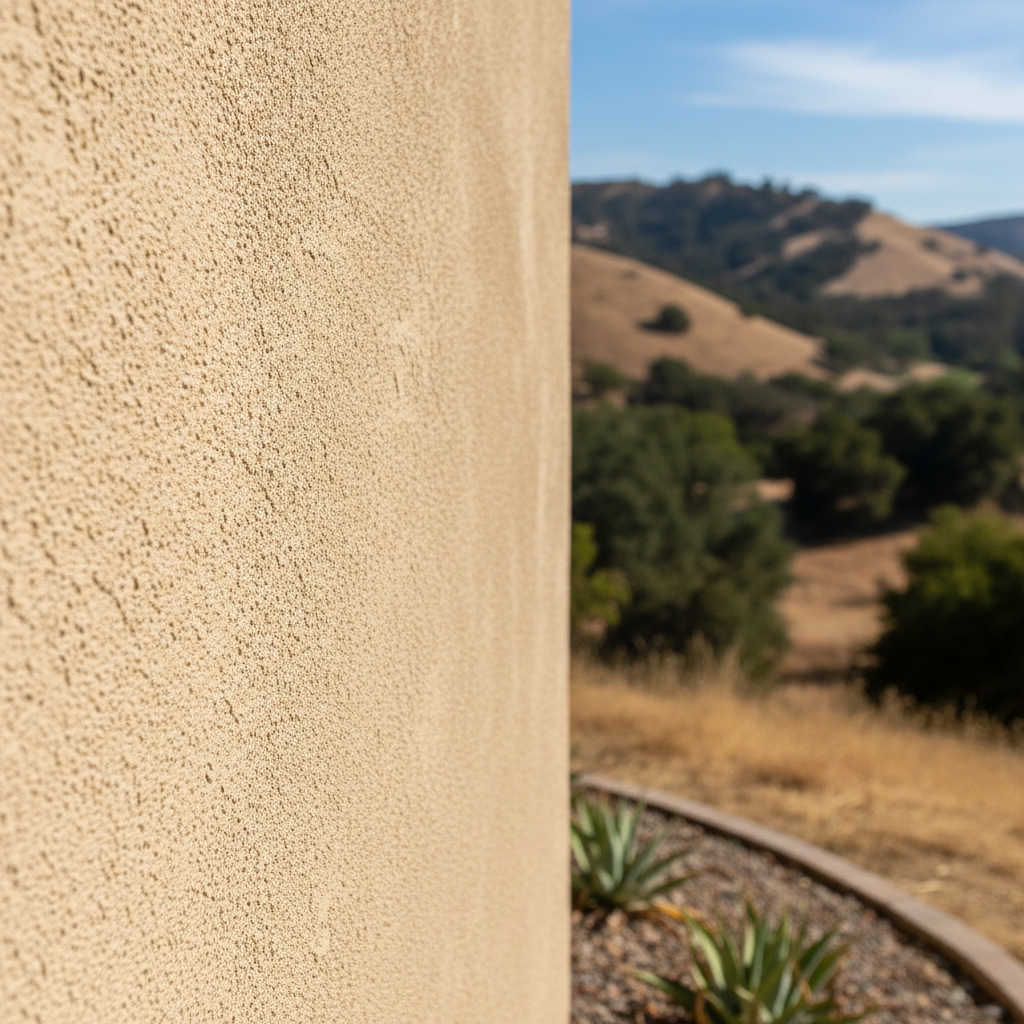
Why would I even want to remove my stucco in the first place?
That's a fair question, especially if your stucco looks okay from a distance. But "okay" isn't always good enough, is it? Most folks in Walnut, CA consider stucco removal for a few key reasons. Sometimes it's just old and tired, plain and simple. We're talking about homes built in the 70s or 80s where the original stucco has seen better days. Maybe it's got a lot of hairline cracks, or it just looks dated. Another big one is water damage. If you've got persistent leaks, especially around windows or rooflines, and you've tried patching it up without success, removing the stucco lets us get a clear look at the sheathing underneath. You can't fix what you can't see, and sometimes that means stripping it all back. And then there's the aesthetic change. Perhaps you're tired of the texture, or you want to switch to a different siding material like wood or fiber cement to give your home a completely new look. It's a big decision, but often it's the right one for long-term comfort and better curb appeal.
What's the typical process for removing stucco?
It's not just a matter of grabbing a hammer and chisel, I'll tell you that. When we remove stucco, we do it carefully to minimize damage to the underlying structure. First, we prep the area. This means protecting landscaping, windows, and anything else around the house. Then, we start the actual removal. For traditional cement stucco, we usually use specialized tools to break it away from the lath and sheathing. It's dusty, it's noisy, and it creates a lot of debris. That's why containment is key. We're also looking for any signs of water intrusion or rot as we go. Once the stucco is off, we take out the old lath and any building paper. This exposes the sheathing, which is where we can really inspect for damage. If we find rot, we replace those sections of sheathing and studs. After that, we get the surface ready for whatever new siding is going on, whether it's new stucco, siding, or something else. It's a thorough, multi-step process, and you want a crew that knows what they're doing to avoid bigger headaches down the road.
Will removing stucco damage my home's structure?
If it's done right, no, it shouldn't damage your home's structure. In fact, it often prevents future damage by letting us address issues you couldn't see before. The risk of damage comes from improper techniques. For example, if a crew isn't careful, they could accidentally cut into wiring, plumbing, or even structural studs when removing the old lath. That's why experience matters. At Oasis Stucco Co, we've got a system for this. We work methodically, and we're always paying attention to what's underneath. Sometimes, we find existing damage that was hidden by the stucco – things like dry rot from old leaks. In those cases, removing the stucco isn't causing damage; it's revealing it so we can fix it properly. Think of it as a necessary surgical procedure for your home.
What kind of mess should I expect during stucco removal?
Let's be honest, it's going to be messy. Stucco removal is one of the dustiest, dirtiest jobs in construction. You're essentially breaking up concrete off the side of your house. There will be a lot of fine dust, stucco chunks, old lath, and building paper. We use tarps, plastic sheeting, and sometimes even temporary fencing to contain as much of it as possible. We'll protect your plants, your driveway, and anything else near the house. But even with all those precautions, some dust will inevitably get around. We'll do a thorough cleanup daily and a final sweep when the job's done, but you should expect your yard to look like a construction zone for a bit. It's just part of the process, and a good contractor will manage it efficiently and clean up properly.
How long does a typical stucco removal project take?
That really depends on the size of your house and the complexity of the job. A smaller home, say a single-story ranch in the Snow Creek area, might take a few days just for the removal part. A larger, two-story home with lots of architectural details could easily take a week or more for removal alone. That doesn't include any repair work to the sheathing or the installation of the new siding. Weather can also play a role; high winds can make dust containment harder, for instance. We'll give you a clear timeline upfront, but it's important to understand that unforeseen issues, like significant dry rot, can add time to the schedule. We always aim to work efficiently without cutting corners.
What happens to my home's insulation and weather barrier after stucco removal?
When we remove the stucco, we're also taking off the old building paper or house wrap that served as your primary weather barrier. Depending on how your home was originally built, there might not be much insulation directly behind the stucco itself, especially in older homes. What we'll find is the sheathing (plywood or OSB) and then, typically, the wall cavity with your existing insulation. After the stucco and old weather barrier are off, we'll install a brand new, modern weather-resistive barrier. This is critical for protecting your home from moisture. If we're putting new stucco back on, we'll also apply new lath. If you're switching to another siding, we'll prep for that. This is also a good opportunity to consider upgrading your wall insulation if it's accessible and makes sense for your project. We'll discuss all these options with you.
Do I need a permit for stucco removal in Walnut, CA?
Yes, usually you do. Any significant alteration to the exterior of your home, especially something that involves removing and replacing siding, typically requires a building permit from the City of Walnut. This isn't just bureaucracy; it's to ensure that the work is done to code and that your home remains safe and structurally sound. A good contractor, like Oasis Stucco Co, will handle the permit process for you. We'll submit the plans, arrange for inspections, and make sure everything is up to snuff with local regulations. Don't try to skip this step; it can lead to big problems down the line, including fines and having to redo work.